
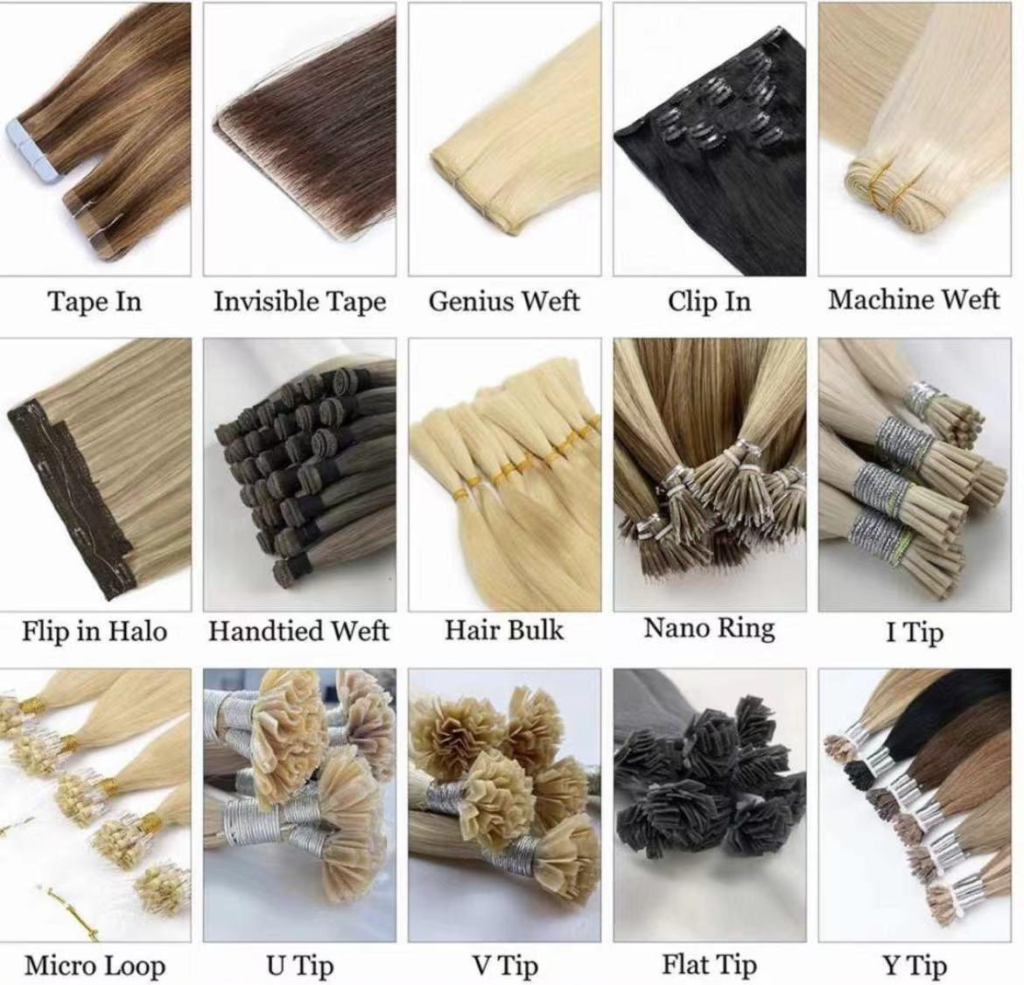
Hair extensions come in different types, each designed for specific application methods, styling needs and customer preferences. From tape-in and keratin extensions to wefts and clip-ins, understanding the differences can help hair brands, salons and wholesalers choose the right products for their markets.
Here is a quick guide to the most popular types of human hair extensions.
1. Tape-In Hair Extensions
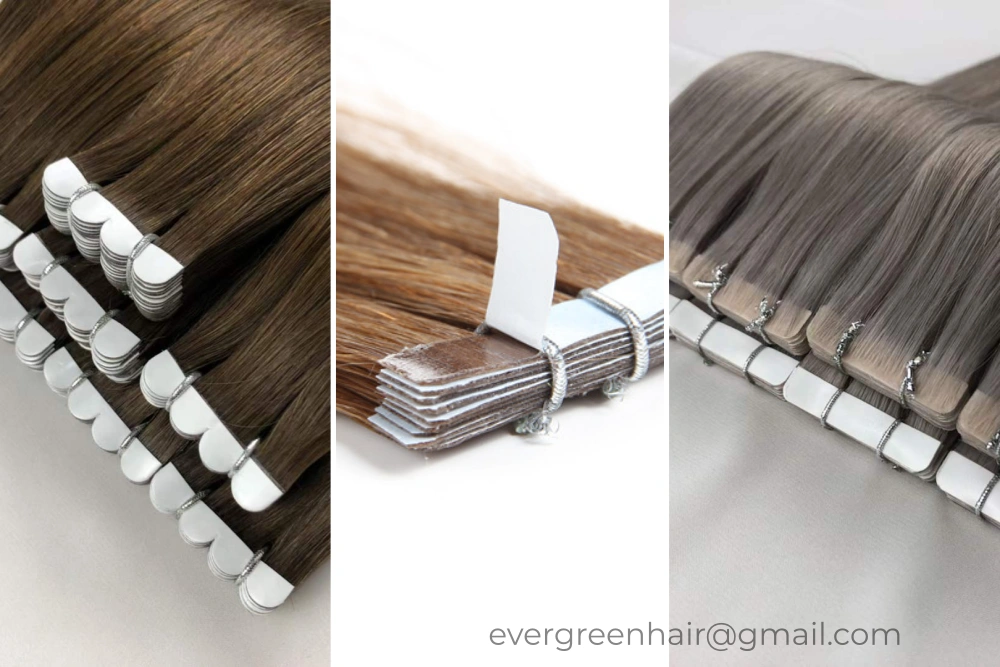
Tape-in extensions feature thin hair sections attached with adhesive tape. Natural hair is sandwiched between two tape pieces, creating a flat and discreet attachment.
Key Features:
- Flat and lightweight design
- Relatively quick salon application
- Suitable for adding length and volume
- Requires professional maintenance and reapplication
Tape-in extensions are popular among salons and customers looking for a natural-looking, low-profile application method.
2. Keratin Hair Extensions
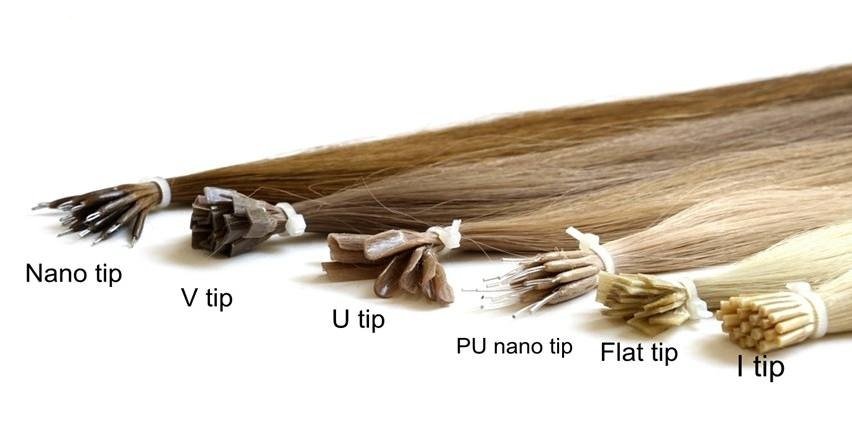
Keratin extensions are individual hair strands with pre-bonded keratin tips. They are attached to natural hair using a professional heat-bonding tool.
Common types include:
- U-Tip (Nail Tip): A keratin tip shaped like a nail or U, designed for heat bonding.
- Flat Tip: An individual strand with a flat-shaped bonding tip.
Key Features:
- Individual strand application
- Flexible placement for customized styling
- Suitable for adding length and volume
- Requires professional installation and removal
Keratin extensions are widely used in professional salons where strand-by-strand application is preferred.
3. I-Tip and Nano Ring Hair Extensions
I-Tip and Nano Ring extensions are individual strands secured to natural hair using small beads or rings, without heat or adhesive bonding.
The main difference is the size of the attachment system: Nano Ring extensions use smaller rings than conventional micro-ring systems.
Key Features:
- No heat or glue required for attachment
- Individual strand application
- Flexible placement
- Requires professional installation and regular maintenance
These methods are suitable for customers who prefer strand-by-strand extensions without heat-based bonding.
4. Weft Hair Extensions
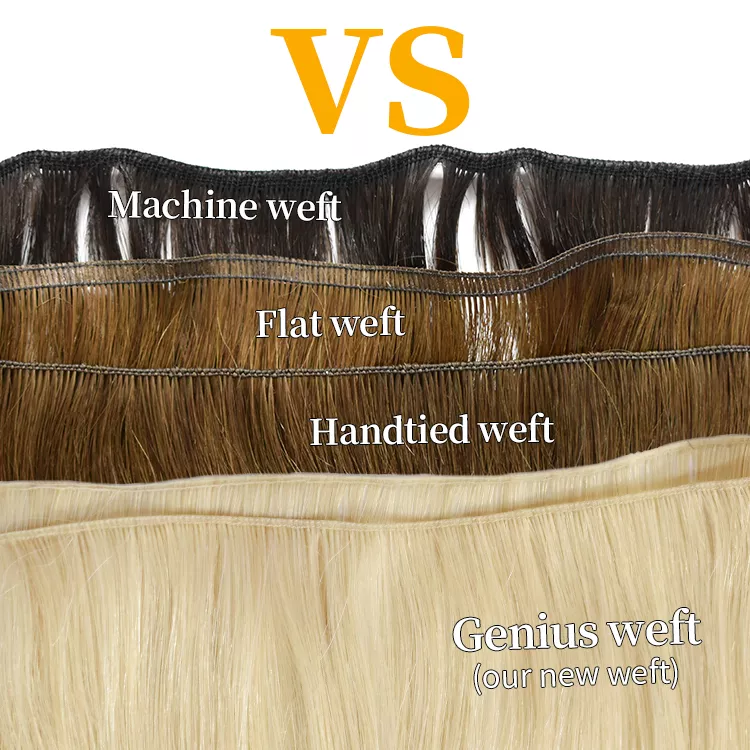
Weft extensions consist of hair strands attached along a continuous track. They are commonly used to add length and volume through professional row-based installation methods.
Popular weft types include:
- Machine Weft: Machine-stitched construction, known for its durable track.
- Hand-Tied Weft: A thin, lightweight track made by manually tying hair strands.
- Flat Weft: A flatter track construction designed to combine flexibility with a low profile.
- Genius Weft: A thin and flexible weft construction designed for a discreet appearance.
Each construction offers different characteristics in terms of thickness, flexibility and installation requirements.
Weft extensions are popular among professional salons and hair brands because they offer versatile options for different customer needs.
5. Clip-In Hair Extensions
Clip-in extensions feature hair attached to small clips that can be secured to natural hair and removed when needed.
Key Features:
- Easy to apply and remove
- No glue, heat or permanent attachment required
- Suitable for temporary styling
- Available in different lengths, colors and set configurations
Clip-ins are a popular choice for customers who want temporary length and volume without salon installation.
6. Halo and Ponytail Hair Extensions
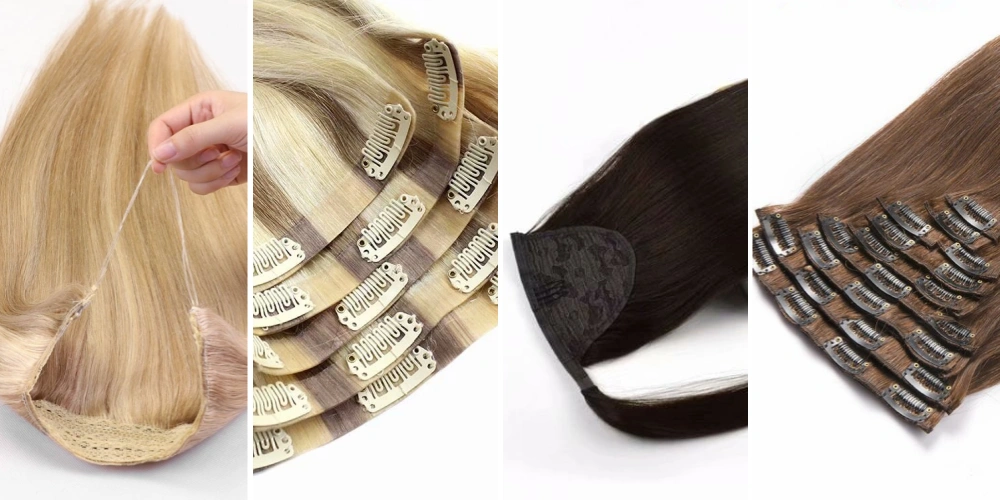
These are convenient options designed for temporary styling.
- Halo Extensions: A hair weft attached to a transparent wire or band that sits around the head, allowing natural hair to cover the attachment.
- Ponytail Extensions: Designed to add length and fullness to a natural ponytail, usually secured with a clip, comb or wrap-around attachment.
Both are easy-to-use options for customers who prefer temporary styling rather than professionally installed extensions.
7. Hair Extension Types at a Glance
| Extension Type | Attachment Method | Main Feature |
|---|---|---|
| Tape-In | Adhesive tape | Flat and lightweight |
| U-Tip / Flat Tip | Keratin bonding | Individual strands |
| I-Tip / Nano Ring | Beads or rings | No heat or glue |
| Machine Weft | Professional weft installation | Durable track |
| Hand-Tied Weft | Professional weft installation | Thin and lightweight |
| Flat / Genius Weft | Professional weft installation | Flat and flexible |
| Clip-In | Clips | Temporary and removable |
| Halo | Wire or band | Quick application |
| Ponytail | Clip or wrap-around | Fuller ponytail styling |
8. What Should Buyers Consider When Choosing Hair Extensions?
For hair brands, wholesalers and professional distributors, selecting the right extension types involves more than just the application method.
Consider these important factors:
- Hair Quality: Check hair origin, processing history, cuticle condition and overall consistency.
- Product Construction: Evaluate tape adhesion, keratin tip quality, ring components and weft stitching.
- Length and Color Range: Make sure the supplier can provide consistent lengths, popular colors and customized options.
- Target Market: Consider the preferences of your salon customers, retail clients and local market.
Final Thoughts
Different hair extension types serve different application methods and customer preferences. A well-selected product range can help hair brands and professional distributors serve a wider market.
Eglent Hair works with experienced human hair manufacturers in China, supplying human hair extensions and related products for brands, wholesalers and professional distributors. We welcome enquiries about product specifications, customization and wholesale requirements.